
Mice can cause extensive damage to your home and business which is why you want to prevent them from getting inside in the first place, especially in the walls. Damage can extend from chewed electrical wiring to gnawed insulation and damaged walls which is not only expensive but a safety hazard.
If you want to know how to get rid of mice in walls and prevent them from entering, you’ve come to the right place. Our Raleigh rodent exterminators are sharing insightful tips that will protect your home. Join us as we explain how mice find their way into your home, how you can detect a rodent problem, and explain how to get rid of mice in walls.
How Do Mice Enter Homes?
Mice can enter your home through very small openings and cracks. They are excellent climbers and can squeeze their bodies through spaces that may seem much too small for them. Perhaps you’ve seen a squirrel (one of the many types of rodents) squeeze its way through a hole in a chain-linked fence that appears too small for them to get through, yet they manage. Rodents, like mice, can do the same thing. They take advantage of small holes and openings in your home.
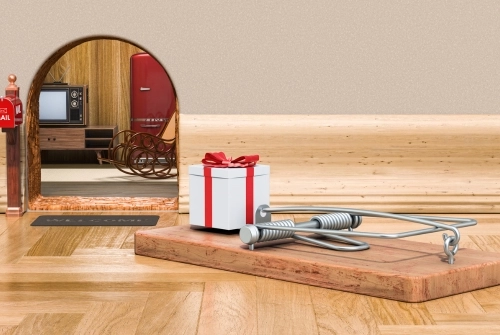
Some common areas where they enter include:
- Cracks in home foundations
- Air ducts
- Utility pipe and wire entries
- Poorly sealed doors and window frames
- Crawl spaces
- Roof vents
- Chimney pipes
Once they are inside, they will start to nest and reproduce quickly. A female mouse can have anywhere from 5 to 15 liters of young per year — Just another reason to get those mice out of your walls as soon as possible!
How to Detect Mice in The Walls
There are a few tale-tale signs that mice have found a cozy home in your walls. One obvious indicator is the unfortunate sight of mouse droppings around your home. Another clear sign of a mouse invasion is holes chewed in your food packaging.
Mice are most active at night, so if you hear seemingly random noises at night, try to assess whether or not the noises are coming from your walls or ceiling. If it seems like they are, this could be yet another indication that you have a mouse problem. Any squeaking and gnawing sounds could be a red flag that you have mice in your walls. As soon as you suspect you have mice in your walls, you want to take action right away to prevent further damage and stop them from spreading diseases.
How to Get Rid of Mice in Walls: Natural Methods
If you want to know how to get rid of mice in walls using natural methods, try the ones below.
Peppermint Oil
When it comes to natural methods of how to get rid of mice in walls, you can use peppermint oil. Mice hate the smell of peppermint and will avoid areas that are treated with it. Add a few drops of peppermint oil to a cotton ball and put in areas where you have seen mice or droppings.
Crushed Peppers
Mice don’t like the smell of peppers, so crushing peppers can keep them away. Sprinkle the crushed red peppers around mice or where you see droppings.
Place Water with Dish Soap
Placing water with dish soap around your home can deter mice because they don’t like this smell either. Be sure to place it in bowls, check them regularly, and dispose of the water as needed.
How to Get Rid of Mice in Walls: Other Methods
If natural methods aren’t working, you can use the following methods to try eradicating mice.
- Using snap traps or live traps
- Setting up an ultrasonic pest repeller
How do snap traps work?
Snap traps are one of the most common ways to get rid of mice. They work by luring the mouse into the trap with bait and then quickly snapping shut, killing the mouse instantly.
You could also use a live trap. These also lure the mouse into the trap with bait, but won’t kill the mouse. The mouse can be set free away from the perimeter of your home. This is a humane option for people who don’t want to kill rodents, just get them away from their property.
Ultrasonic Pest Repellers
Ultrasonic pest repellers are devices that emit high-frequency sound waves that are designed to repel pests. They are safe to use around humans and pets and can be effective at deterring mice.
It is important to note that whatever solution you try, ensure that it’s placed anywhere mice and their droppings have been spotted. You should check the traps regularly and any sprinkled contents should be taken out.
Professional Pest Control
When DIY methods aren’t working, it’s time to outsource your pest control needs to a professional. Pest control technicians undergo regular training and education to ensure they provide the most effective treatment for your home. Instead of using pest repellers that may only work sometimes, they use treatment that is proven. At Stomp Pest Control, we back our services with a 100% satisfaction guarantee which essentially states that if your rodent problem persists, we will retreat your home for no additional cost.
What to do if There are Dead Mice in the Walls
When you have mice in the walls, there is a chance that the mice might die while they’re inside your walls. This can cause a strong smell coming from your walls, which can be a sign of a mouse decaying.
As soon as you suspect there are dead mice in your wall, you’ll want to get them out as soon as possible. The smell of a decaying mouse will only get worse and the risk of disease will increase. Removing a dead mouse from inside a wall will include cutting into the drywall, so it’s recommended to have a pest control professional take this job on as it can become complicated and cause damage if not done correctly.
Preventing Pesky Rodents From Coming Back
Now that you know how to get rid of mice in walls, it is important to take steps to prevent them from returning. Here are some steps to follow:
- Be sure to seal any cracks in the foundations or walls. Avoid using plastic, rubber, or wood as a sealant. Mice can easily gnaw through these. Opt for wire and stainless-steel mesh, or quick-drying cement.
- Be sure to repair any damaged screens
- Seal gaps around doors and windows
- Store food in airtight containers
- Keep your counters and floors clean of crumbs
You also want to trim away trees and greenery. Ensure tree branches and shrubs are trimmed back at least a foot-and-a-half from your home because mice can climb and jump. Limiting the space between your home and shrubs can make it harder for them to access the upper levels of your home, preventing them from getting into your home.
Cleaning after a mice infestation
Getting rid of the mice in your walls is only the first step. You’ll also want to clean any droppings or mice urine that is left behind. This will prevent diseases from spreading. Always wear gloves and a mask and be sure to wash your hands when you’re done. Disinfect surfaces with a bleach solution and ventilate the area. Always throw away any contaminated materials.
Contact Stomp Pest Control for Effective Mice Control
If you suspect you have mice in your walls, contact the professionals at Stomp Pest Control will eradicate the mice and implement effective measures to discourage them from returning. We service Raleigh, Durham, Chapel Hill, Wake Forest, Holly Springs, Fuquay-Varina, and surrounding areas. To get started, we offer monthly pest control plans for as little as $25 per month! Our plans have no hidden fees and don’t require a contract. Get in touch with our team today at (919) 231-3292 or fill out the contact form below.